Flood Response and women with disabilities

Disability Rights
August 3, 2026
Excerpt Women with disabilities are disproportionately affected during flood emergencies due to barriers in accessing early warning information, evacuation support, relief services, and recovery opportunities. This project strengthens flood preparedness and emergency response by equipping women with disabilities with practical knowledge, inclusive disaster risk reduction strategies, and access to community-based support systems. Through awareness sessions, capacity building, and collaboration w
### Flood Preparedness, Response, and Resilience for Women with Disabilities – Lokoja, Kogi State
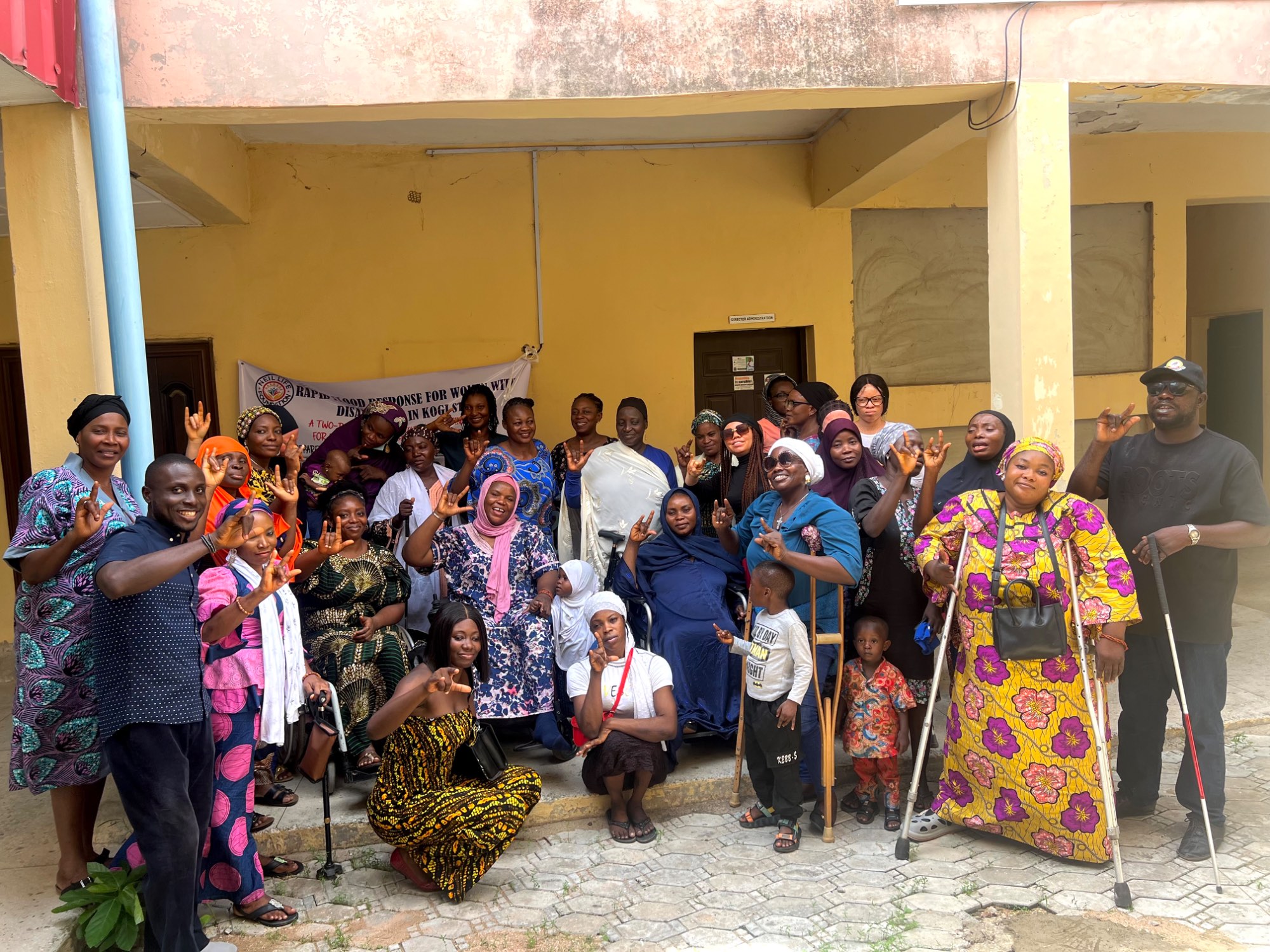
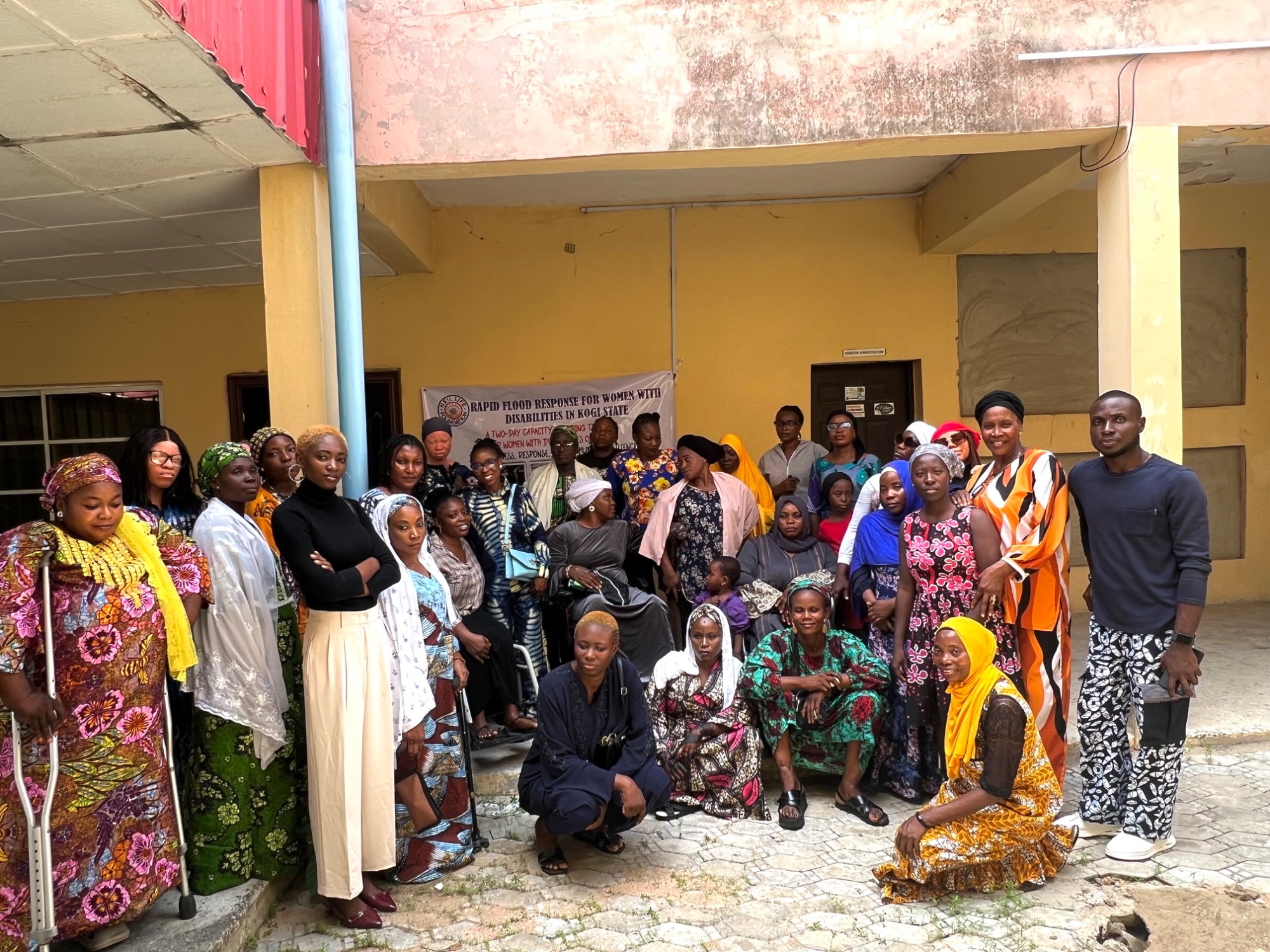
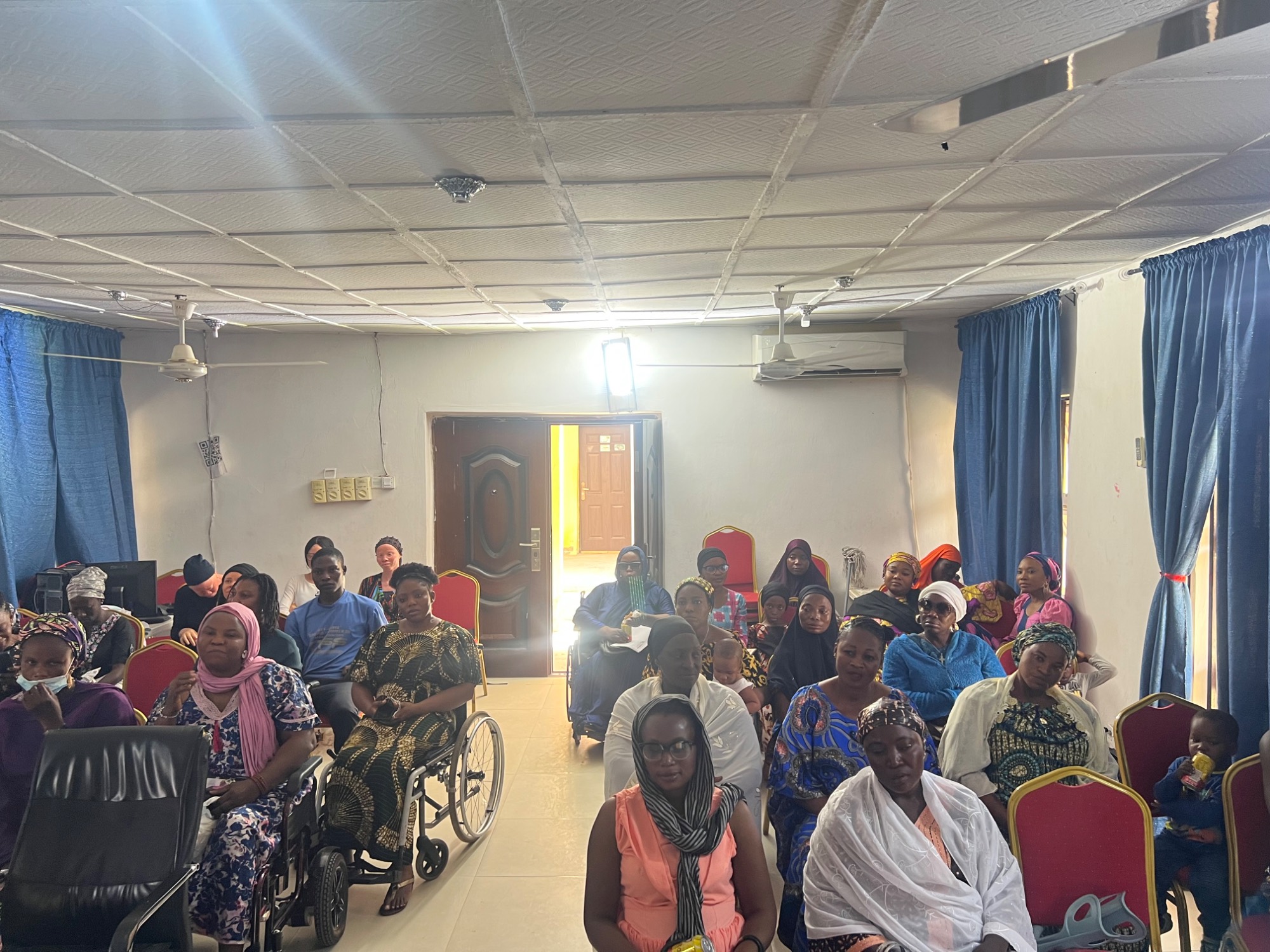
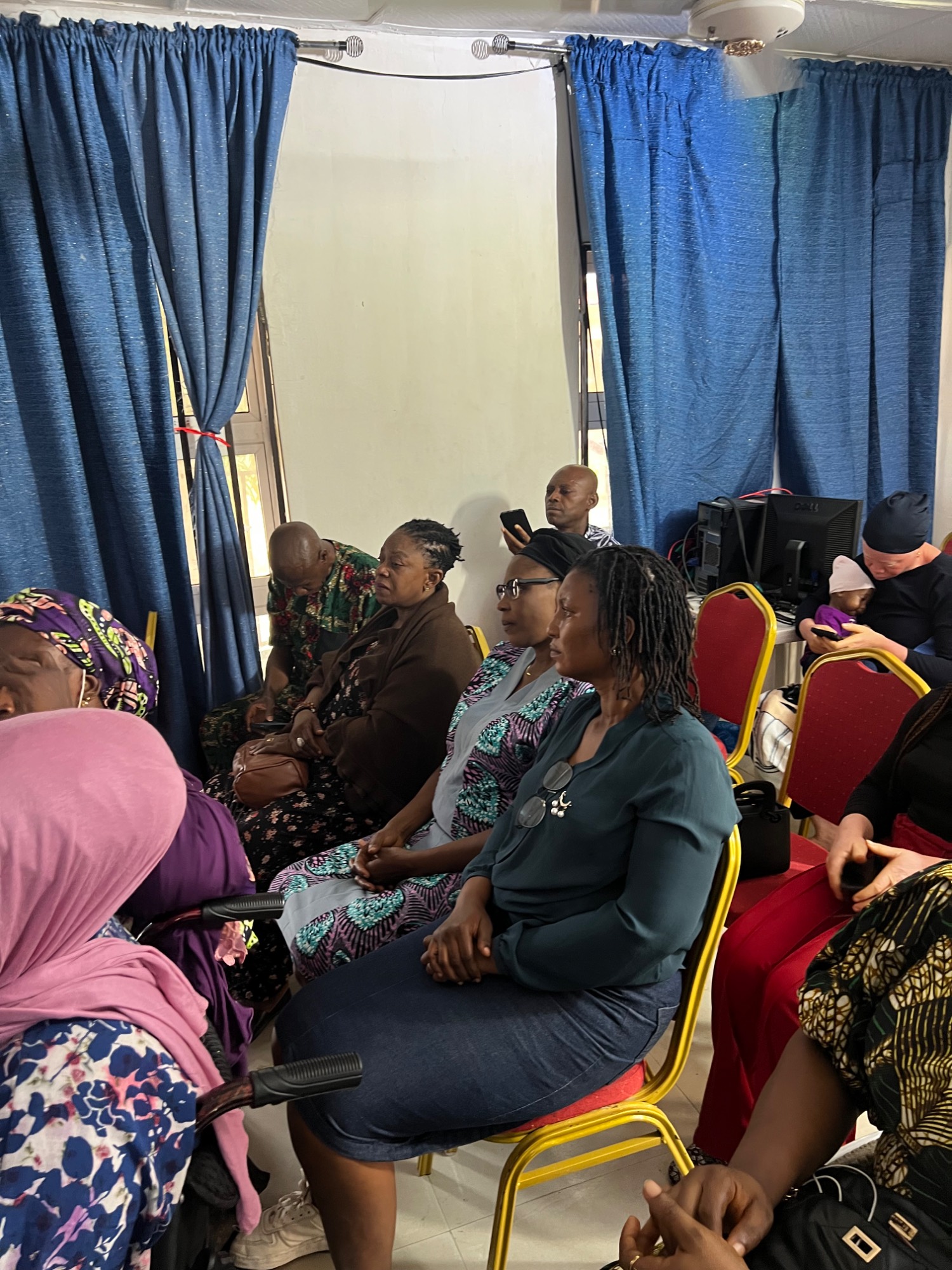
Women with disabilities are among the groups most affected during flood disasters, yet they are often excluded from disaster preparedness planning and emergency response efforts. Recognizing this gap, our organization implemented the Flood Preparedness, Response, and Resilience for Women with Disabilities project in Lokoja, Kogi State, bringing together 30 women with disabilities to strengthen their capacity to prepare for and respond to flood emergencies.
The project provided participants with practical knowledge on flood risk reduction, emergency preparedness, personal safety, evacuation planning, and accessing available support services during disasters. Participants also learned how to develop household emergency plans, identify safe evacuation routes, protect important documents and essential items, and stay informed through early warning systems.
Beyond building knowledge, the project created a platform for participants to share their lived experiences and discuss the unique barriers they face during flood emergencies, including inaccessible information, limited mobility support, and exclusion from humanitarian interventions. These discussions informed practical recommendations for making disaster response more inclusive and responsive to the needs of women with disabilities.
By the end of the project, the 30 participants had increased their understanding of flood preparedness and were better equipped to protect themselves, their families, and their communities during emergencies. The initiative also reinforced the importance of disability-inclusive disaster risk reduction, ensuring that women with disabilities are recognized not only as beneficiaries of humanitarian assistance but as active contributors to building resilient communities.